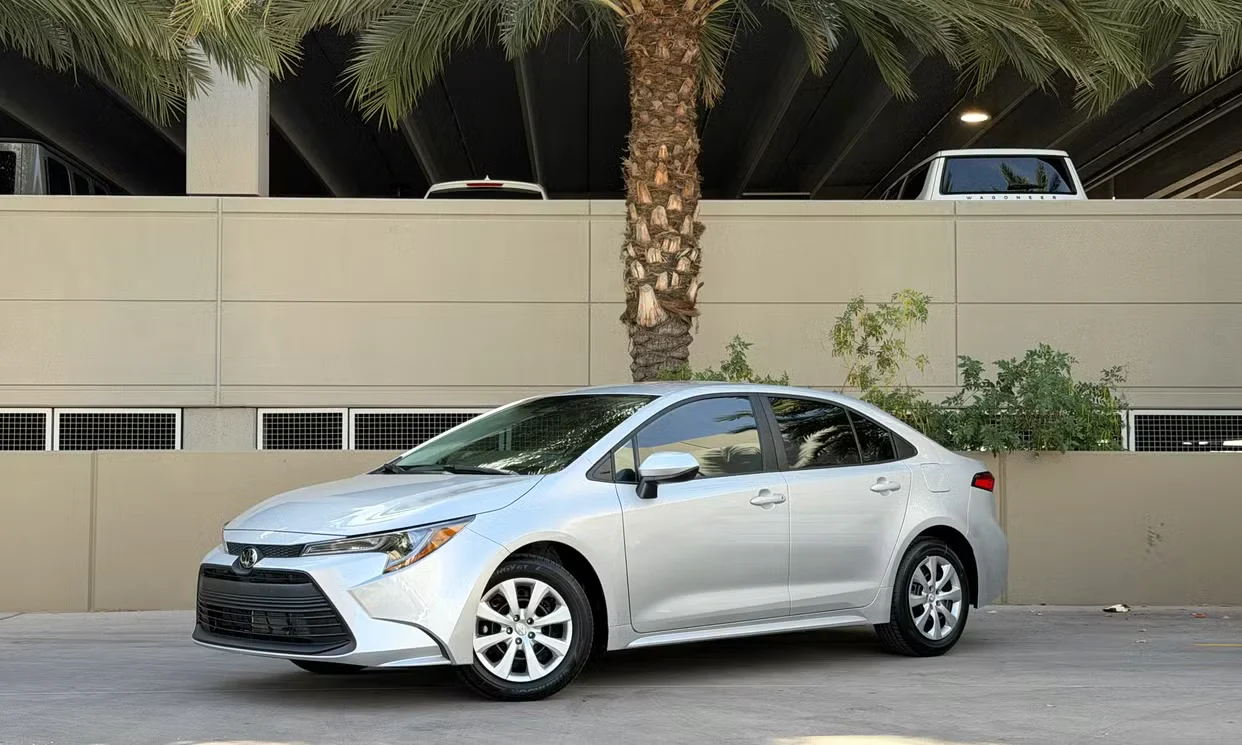
Write one brief for every provider
Begin with the requested vehicle or a clearly defined alternative, the dates, the collection and return times and the two locations. Add the passenger and luggage requirements. If you need another approved driver, special equipment or a particular handover arrangement, include that in the original request rather than treating it as a detail to settle after comparing prices.
Keep the same brief when you request another quote. A total for a different car, a shorter period or office collection cannot be compared directly with a total that includes a different arrangement. Ask each provider to identify where its offer differs from your request. That lets you compare the difference as a choice rather than an unexplained price gap.
Group the quote into understandable lines
Ask for the total rental amount with the compulsory charges identified. Clarify how taxes, required fees and any selected services appear in that total. If an item is optional, keep it on a separate line so you can decide whether to include it. Do not add an item twice because it appears both in an explanation and in the final total.
Next record the items linked to the itinerary. These may include collection or delivery, an additional driver, extra mileage or a specific return arrangement, depending on the agreement. Ask which costs are fixed for the booking and which depend on what happens during the rental. A conditional charge belongs in the comparison even when it is not certain to apply.
| Part of the comparison | What to record |
|---|---|
| Rental brief | Named car or class, exact dates and both handovers |
| Payable quote | Total amount and the compulsory charges it includes |
| Selected services | Only the optional items you intend to buy |
| Use-dependent costs | Mileage, fuel or charging, toll and return arrangements |
| Security requirement | Hold or deposit, method and release conditions |
| Your trip estimates | Parking and other costs outside the rental quote |
Distinguish spending from available funds
A refundable security hold is not the same as the rental charge, but it can affect how much available credit or money you need. Ask how the security requirement is collected and how it interacts with the rental payment. Keep the amount separate in your worksheet so the expected trip spend is not confused with the resources required at handover.
Do not assume that every security amount is collected or released in the same way. Ask the provider to describe the process for the selected payment method, what conditions can lead to deductions and whom to contact with a question. Avoid building the rest of your travel budget around a release time that has not been confirmed.
Add costs that belong to the trip
Use your itinerary to estimate parking, fuel or charging and any route-related costs. These estimates are your planning inputs, not part of a provider’s offer unless the written quote says they are included. Count the nights the car will be parked and the journeys it will actually make. A rental that spends most of the trip in paid parking needs to justify that use.
Compare a full-stay rental with the shorter period you would realistically need. Include the transport needed before collection and after return in the shorter plan. This does not mean one arrangement is always cheaper. It means both plans should account for the same travel needs, with their own collection, parking and driving costs visible.
Test the changes that could alter the total
Ask what happens if you return later, request more days, change a handover location or reduce the period. Those situations can be handled differently by different agreements. Record the process and any relevant charge rather than assuming a flexible schedule or an automatic refund. If your trip depends on a flight or event, raise that timing at the quote stage.
Keep one realistic alternative beside the original plan. That might be another suitable car or a different rental window. A comparison becomes more useful when you can see which requirement creates the cost difference. Avoid changing several details at once and then treating the revised quote as a discount on exactly the same service.
Keep the accepted quote with the booking details
Before agreeing, check that the named vehicle, total amount, period, security requirement and handover instructions match what you discussed. Keep the final version so you can refer to it if the itinerary changes. A useful record contains the details that affect the arrangement, not only a screenshot of a daily advertisement.
For the linked affordable fleet, send Pugachev Miami your dates, preferred car, passenger and bag details and both locations. Ask the team to confirm the complete arrangement. You can use the quote worksheet to organize the conversation and compare the accepted total with the wider budget for your Miami visit.